
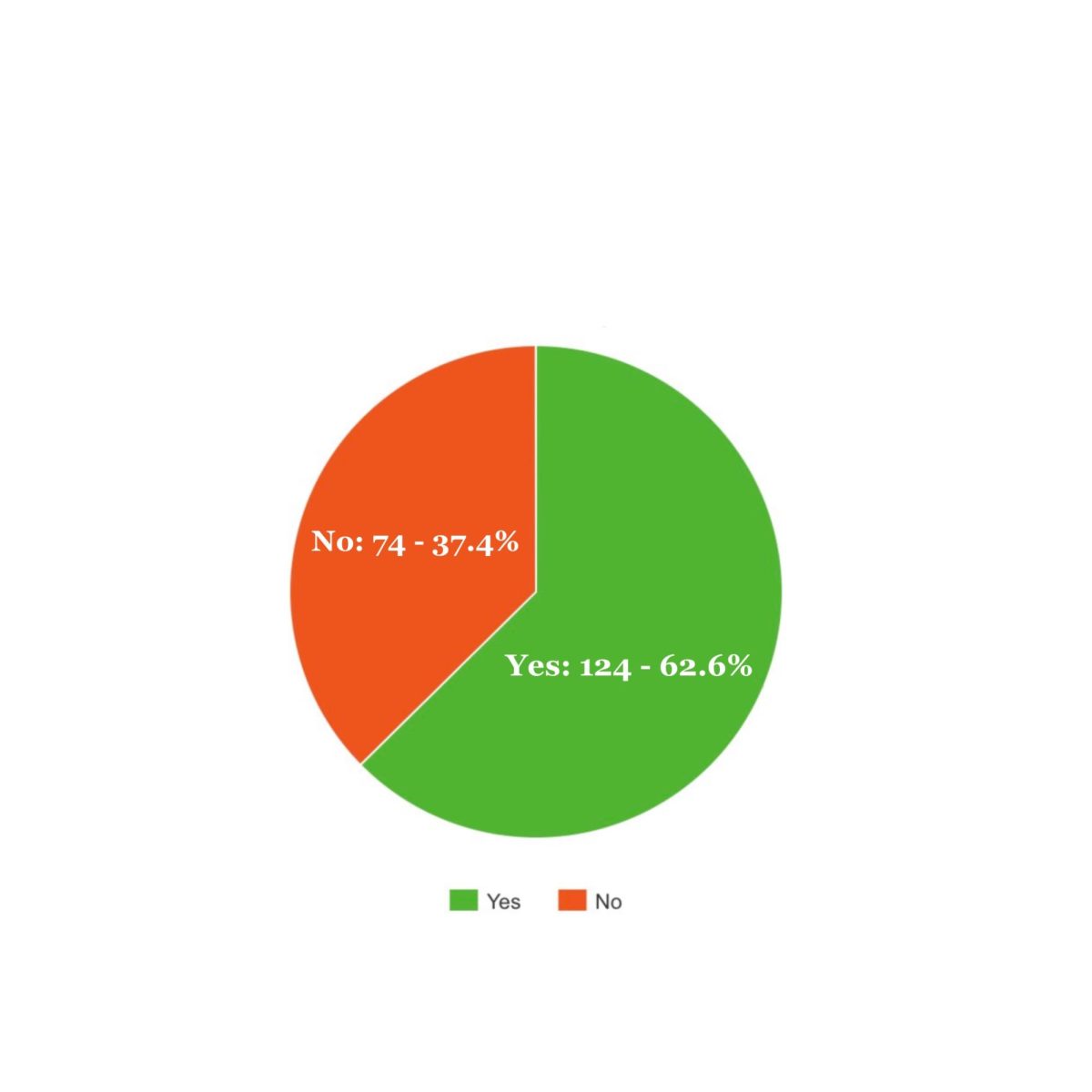
In a society that values individual success, building a family should remain one of the main goals in life because it cultivates leadership, contributes to societal structure and stability, and shapes responsible individuals.
For many, starting a family feels far out into the distant future. Many people do not think of what they want their own families to look like until they have already dated or forged a relationship with potential partners. The Institute for Family Studies said, “…if young adults continue to form relationships in a haphazard way, it will also be difficult for them to form the kinds of stable families that they want. The chaos in relationships sets the scene for chaos in family life” (ifstudies.org). When choosing a life-long partner, it is essential to have a vision for the values of your future household.
Since familial relationships and interactions shape the character of an individual, choosing a partner that has aligning morals is fundamental. If not actively thinking about their future, they may create a home with a person they do not morally align with. This can lead to a lack of accountability, empathy, discipline, and stability in the home and, therefore, in their potential children’s lives.
Families also serve as a training ground for leadership. Being responsible for the emotional, physical, and mental development of a child requires intentionality, sacrifice, and flexibility. If people want to succeed in their careers as leaders, then parenthood can serve as a valuable experience. According to Medium, “Parental experiences of providing emotional support and care translated into more supportive leadership behaviors, and those behaviors improved measurable employee outcomes like engagement and performance (medium.com). A society that neglects familial structures enfeebles the development of accountable and principled leaders.
Being a member of a family becomes an emotional safety net and personal community for support and enrichment. Even as a parent, having children can prevent elderly isolation and abandonment. While parents sacrifice time and energy with younger children, a healthy relationship would prompt that reciprocation of care. Especially for the elderly, this emotional and physical support contributes to nurturing their confidence and dignity. According to the National Library of Medicine, “The family system serves as the ecological setting within which older adults are embedded, providing resources or costs to the individual family member depending on the family form and function” (pmc.nih.gov).
While families can be toxic, and professional growth is vital, starting a family should not remain an afterthought. According to the American Psychological Association, “Family routines and rituals are important to the health and well-being of today’s families trying to meet the busy demands of juggling work and home, according to a review of the research over the past 50 years” (apa.org). Even the simple assembly of a peanut butter and jelly sandwich every morning or reading a book before bed has a positive effect on children. “Regular routines in the household, according to the review, shorten bouts of respiratory infections in infants and improve preschool children’s health” (apa.org). If society spent as much effort and resources in nurturing families as it did careers, significant improvements could be seen.
If career success sacrifices the relationships that sustain society, then success is futile. The shift from an individualistic to a collectivist societal mindset must arise for the sustainability of our nation and the world. From dinner table conversations to conflict resolution, families serve as spaces of growth, safety, and comfort.