
As the new moon rises over the horizon, millions of people around the world gather to celebrate fresh beginnings for the new year. Lunar New Year is a major cultural holiday that is celebrated from the end of January through mid February. This holiday is celebrated by people from around the globe, but particularly in East and Southeast Asian countries. Chinese, Korean, Vietnamese, and other communities celebrate the changes that follow the new year. A common belief is that the holiday brings luck, prosperity, and happiness.
Unlike January 1, according to Britannica, which follows the Gregorian calendar, Lunar New Year follows the lunisolar calendar, meaning time is tracked by following the moon’s phases and the sun’s position. This is what causes the Lunar New Year’s date to change each year (britannica.com).
As for the culture of Lunar New Year, Chinese zodiacs play an important role. According to a website about the Chinese zodiac, through a repeating 12-year rotation of animals that include dragon, snake, and horse, each year is assigned one animal. The zodiacs are believed to provide insight into what the upcoming year will present and the personality of their corresponding zodiac animals (chinahighlights.com).
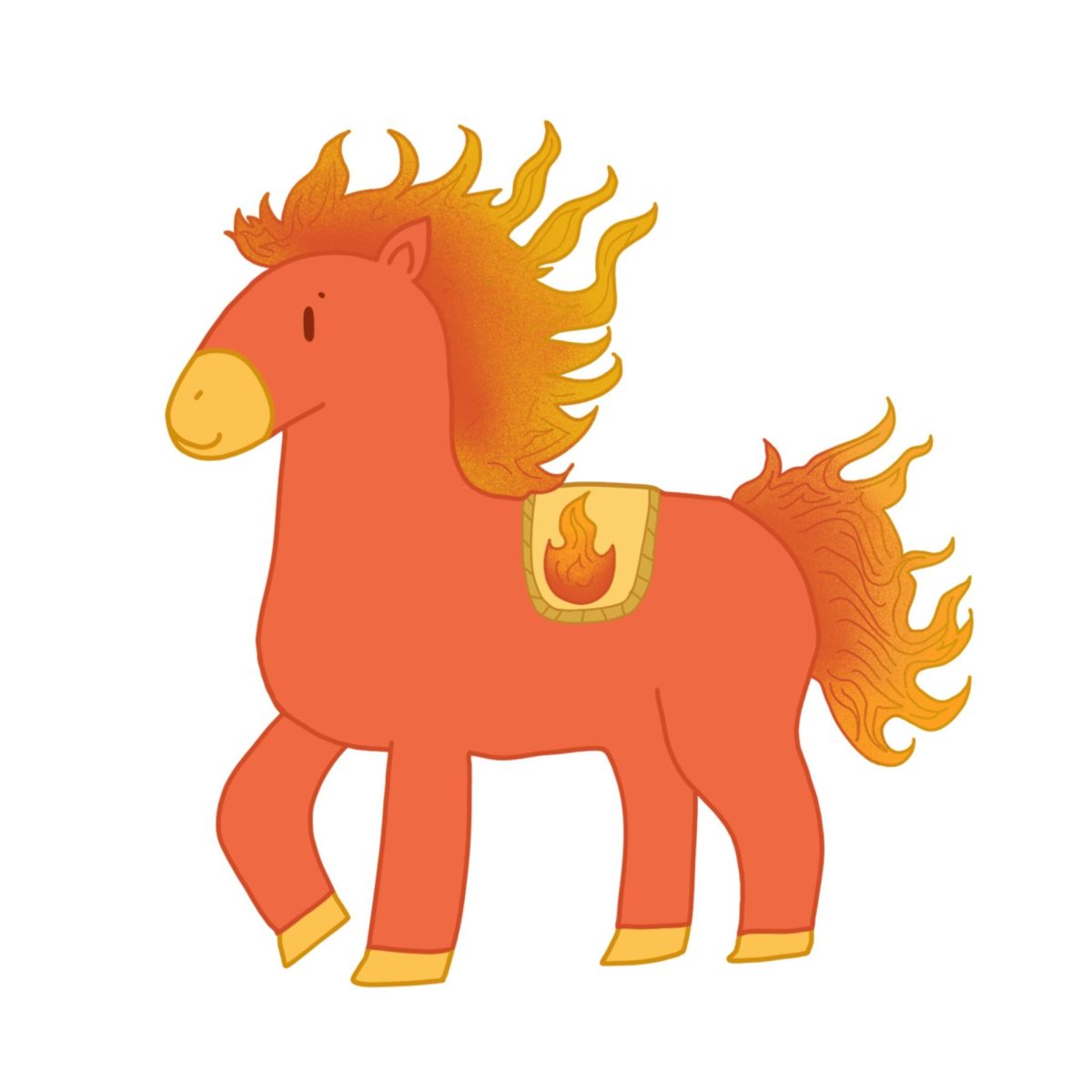
Vogue Magazine explains that 2026 is the year of the Fire Horse, a rare matchup between one of the Chinese zodiac animals and one of the five elements: fire, water, earth, wood and metal. This pairing only occurs once every 60 years. The year of the Fire Horse represents rapid change, fresh opportunities, personal growth and a faster pace of life (vogue.com).
Junior Caden Troung shared how his family celebrates Lunar New Year. He said, “In Vietnamese, Lunar New Year is called Tết. Every year, my family usually goes to a festival where there are carnival games, rides, food, music and other forms of entertainment like lion dances.” These traditions help bring families and communities together every year to celebrate their culture.
Customs can vary between different countries and cultures. So, what are some of the common traditions that are upheld by those who celebrate the holiday? According to Cable News Network (CNN), many wear red as it is believed that the color signifies fortune, luck, and vitality. Another popular tradition is the lantern festival that takes place on the 15 day of the first lunar month. The festival is meant to mark the end of the New Year’s celebration. During the festival, displaying vibrant lanterns, solving riddles, and a fireworks display are common occurrences for the celebrations (cnn.com).
Many celebrate the New Year by enjoying traditional Lunar New Year dishes. Dumplings, noodles, and steamed fish are popular festive choices, according to the New York Times. These dishes are meant to symbolize prosperity, luck and a long healthy life (nytimes.com).
As the world sheds the Year of the Snake, people from around the globe welcome and embrace the Year of the Fire Horse. With the message of growth, opportunity, and positive change, it encourages personal reflection and hope for new beginnings. Use the symbolic meaning of 2026 to serve as a reminder to look ahead and celebrate what the year has to offer.